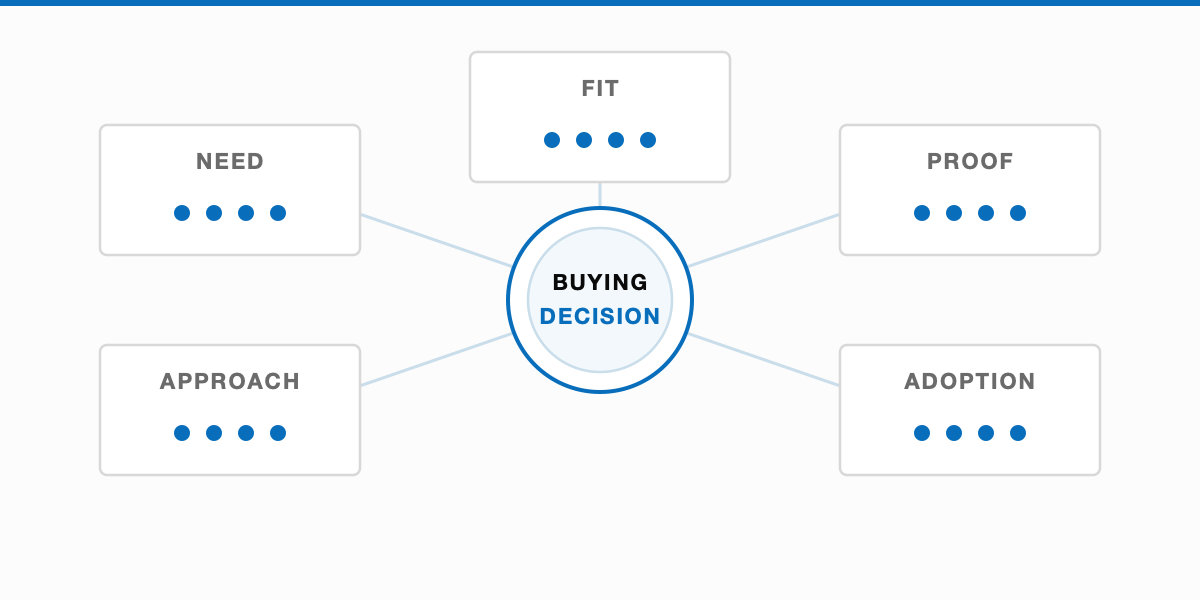
Before You Buy an AEO Tool Make Sure AI Search Can Read Your Site
AEO software can show where a company appears, where it is cited, and how visibility changes. It cannot create value from pages that answer engines cannot reliably access, understand, or attribute.
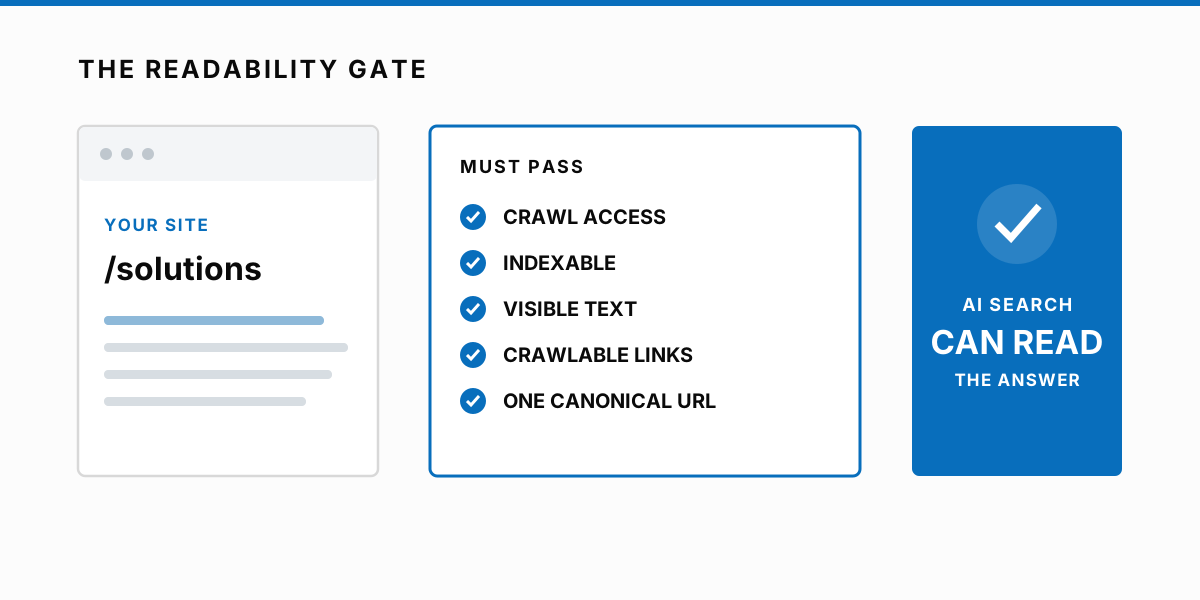
A marketing team can spend weeks comparing AEO platforms while the real failure sits underneath every demo: the site is not technically readable.
The important answer may be blocked by robots.txt, rejected by a firewall, marked noindex, rendered only after a fragile client-side interaction, disconnected from the site's internal links, or split across competing URLs. In that condition, a new tool mostly gives the company a cleaner view of a broken input.
The sequence matters. First prove that the public source can be reached and interpreted. Then establish an AEO baseline. Buy software when the recurring measurement, workflow, and monitoring justify it.
Do not pay to measure an answer before proving that an answer engine can reach the source.
Technical Readability Comes Before Visibility
Visibility is the outcome marketing wants. Readability is one of the conditions that makes the outcome possible.
OpenAI tells publishers that content intended for ChatGPT search should not block OAI-SearchBot. It also separates that search crawler from GPTBot, which publishers can disallow when they want to exclude content from potential model training. Those are different decisions and should not be treated as one universal AI bot setting.
Access can also fail after robots.txt gives permission. A CDN, web application firewall, bot mitigation service, login requirement, redirect loop, server error, or malformed response can still stop the request. OpenAI's crawler guidance specifically calls out web protection layers that can return 403 errors to legitimate crawlers.
This is why a robots.txt screenshot is not proof. The proof is a successful fetch of the intended URL, from the relevant crawler path, with the page content the company expects to expose.
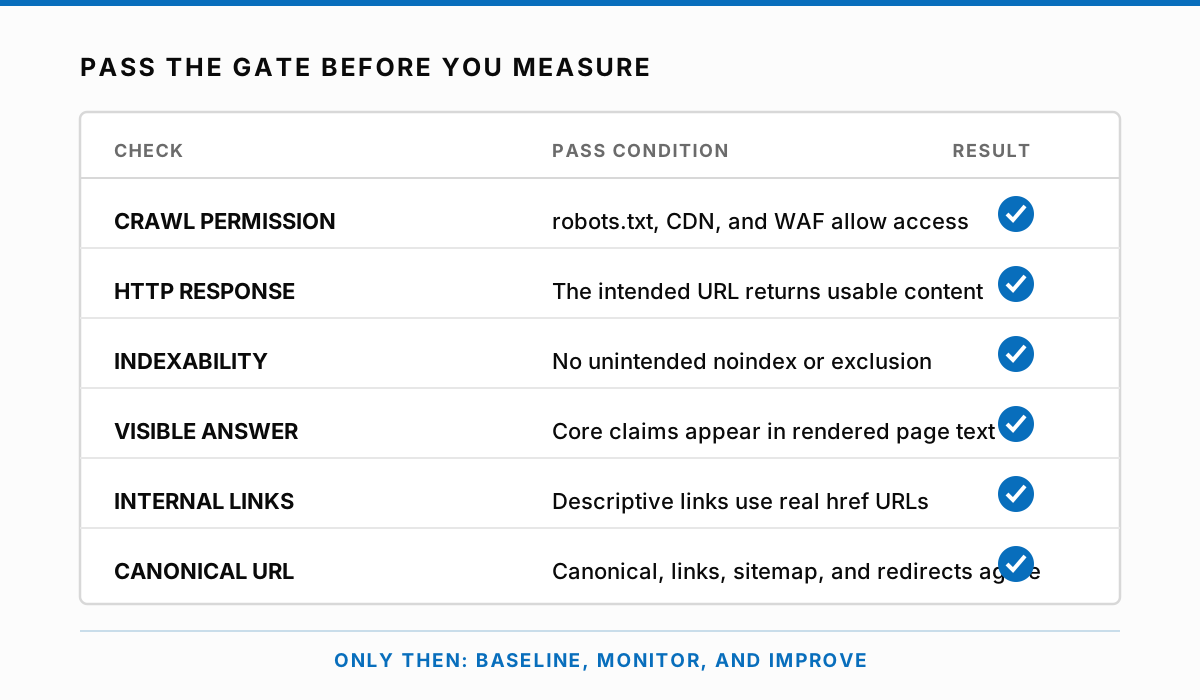
The Six-Check Readability Gate
Run the gate on the pages that answer the company's most important commercial questions. A homepage check is not enough. Category pages, product pages, comparison pages, proof, documentation, pricing, and implementation guidance can each fail differently.
- Crawl permissionConfirm that robots.txt permits the crawler the company wants to serve. Then confirm that CDN, firewall, rate-limit, and bot-mitigation rules do not override that permission.
- Usable responseThe preferred URL should return the intended content without a login wall, redirect loop, soft error, or server response that changes for automated requests.
- IndexabilityCheck the HTML and response headers for unintended noindex rules. Remember that robots.txt controls crawling, not indexing by itself. Google explicitly warns that a blocked URL may still be indexed without its content when other pages point to it.
- Visible answer textInspect both the original response and the rendered page. The core answer, evidence, headings, and links should exist as readable page text, not only inside an image, animation, closed interaction, or failed script.
- Crawlable internal linksImportant pages should be reachable from other findable pages through real anchor elements with href URLs and descriptive link text. A button-looking span with a click handler is not an equivalent signal.
- Canonical consistencyThe canonical element, internal links, redirects, and XML sitemap should agree on the preferred public URL. Conflicting signals make it harder to determine which version should represent the answer.
Robots.txt Is Permission, Not Proof
Teams often treat robots.txt as a complete AEO configuration. It is only one control at the edge of the system.
Google's documentation makes the distinction clear: robots.txt tells a crawler which URLs it can request. A noindex directive controls indexing, but the crawler must be allowed to access the page to see that directive. Mixing the two can produce the opposite of what the team intended.
The same separation is useful for AI search. Decide which search crawlers should access public content, which training crawlers the company allows, and which private or customer-only paths remain closed. Write those choices down. Then test the actual response instead of assuming the file expresses the policy correctly.
If the Answer Depends on Rendering, Inspect the Rendered Page
Modern sites often ship a small HTML shell and assemble the useful page in the browser. That can work, but it creates more ways for the source to disappear: blocked JavaScript, failed API calls, delayed rendering, content loaded only after a click, or metadata that changes after the initial response.
Google describes crawling, rendering, and indexing as separate stages for JavaScript pages. Its guidance also notes that blocked pages are not rendered and that conflicting canonical tags created by JavaScript can lead to unexpected results.
The practical test is simple. Compare the initial HTML, the rendered DOM, and the visible page. The page title, direct answer, evidence, internal links, and canonical URL should survive all three views. If the business-critical claim exists only after an interaction, expose a stable text version on the public page.
Internal Links Tell Crawlers Where the Answers Live
A sitemap is useful, but it does not replace site structure. Important answers should be reachable from relevant pages through descriptive links that reveal the relationship.
Google says it can reliably crawl links built as anchor elements with href attributes. It also uses anchor text to understand the destination. That means "See how our platform handles enterprise permissions" does more work than "Learn more," and both are better than a scripted card that exposes no crawlable URL.
This is also an editorial check. If nobody on the site can explain where a page belongs, the page may be answering a question the business has not connected to its category, product, proof, or customer journey.
Canonical Signals Should Converge on One Source
Duplicate URLs are common. Tracking parameters, protocol variants, trailing slashes, staging remnants, filters, and CMS routes can make one answer appear at several addresses.
Google treats redirects, sitemap inclusion, and rel=canonical as canonicalization signals. Its guidance recommends linking internally to the canonical URL and avoiding contradictions between canonical methods. The point is not to eliminate every alternate URL. The point is to make the preferred source unmistakable.
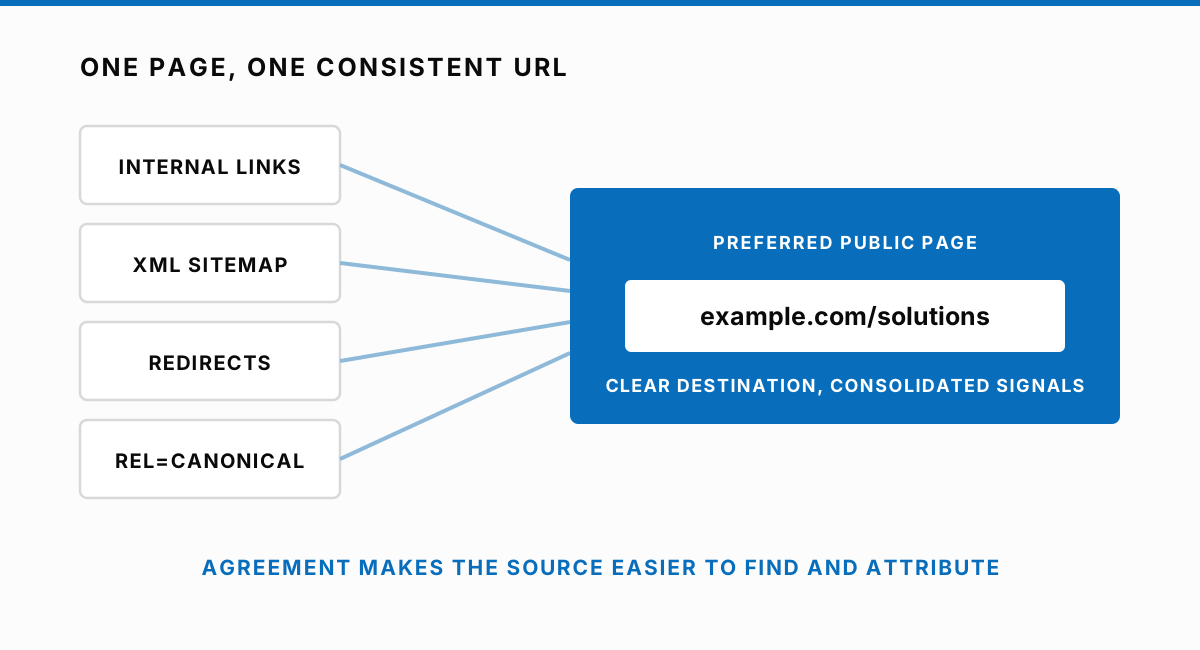
Test the preferred URL and its obvious variants. Confirm the response, final destination, canonical element, sitemap entry, and internal links. If each part names a different source, fix the disagreement before trying to interpret visibility data.
What an AEO Tool Should Do After the Gate
Passing the gate does not guarantee a citation, recommendation, or ranking. It removes preventable technical ambiguity so the company can evaluate the harder questions: whether the answer is useful, whether the evidence is credible, whether the page covers the buyer's real question, and whether other sources deserve more trust.
At that point a platform can earn its place by reducing recurring work. It can help monitor prompt sets, citations, competitors, source changes, technical regressions, and referral traffic. The purchase decision should be tied to the work the team will actually repeat and the decisions the data will change.
Without that operating use, software becomes a visibility dashboard that nobody acts on. With the technical gate and a clear owner, it can become part of the broader search and AEO distribution system.
The One-Sentence Version
Before buying an AEO tool, prove that the company's important public answers are crawlable, indexable, visible, connected, and canonical.
Sources
Frequently Asked Questions
Can an AEO Tool Fix Crawler Access Problems?
It can help identify or monitor some problems, but blocked crawlers, firewall rules, noindex directives, broken rendering, and conflicting canonical signals usually require changes to the website or infrastructure.
Does Robots.txt Control Whether a Page Is Indexed?
It controls crawler access. It is not a reliable way to keep a page out of an index because a blocked URL may still be known from links. Use the appropriate noindex or access-control method for indexing decisions.
Should a Company Allow Both OAI-SearchBot and GPTBot?
The decisions are separate. OpenAI uses OAI-SearchBot for search discovery and GPTBot for potential model training. A company can allow search discovery while applying a different policy to training.
What Should Happen After the Site Passes the Gate?
Create a baseline for important questions, citations, source coverage, competitor presence, and referral traffic. Then use tools where recurring measurement and workflow support justify the cost.